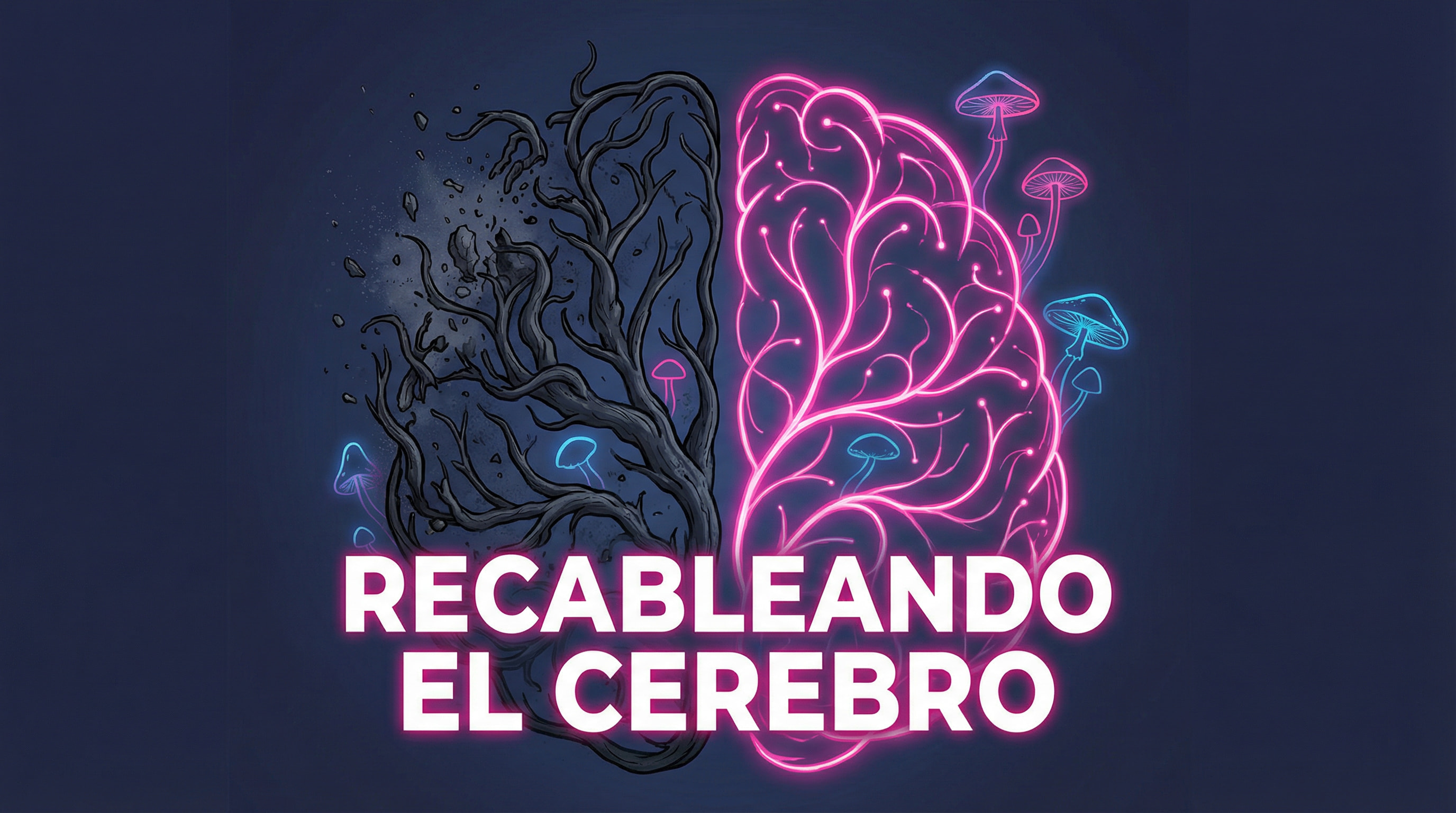
Psilocybin Rewires the Brain: Scientists Discover How It Breaks Depression Patterns
Cornell scientists map for the first time how a single dose of psilocybin reconnects neurons and breaks negative thought loops in depression.
You’ve been trapped in the same mental loop for months.
The same negative thoughts over and over. Ruminating about what went wrong, what could have been, what will never be.
It’s as if your brain is stuck on a broken record.
Now, for the first time, scientists have mapped exactly how psilocybin breaks that cycle.
The Revolutionary Study
An international team led by Cornell University just published in Cell one of the most groundbreaking studies on psychedelics to date.
Their secret tool? The rabies virus.
Yes, you read that right.
The researchers used a modified version of the virus to trace how neurons reconnect after a single dose of psilocybin.
The virus travels from neuron to neuron, illuminating with fluorescent proteins every new or modified connection.
It’s as if Google Maps had mapped the brain’s highways.
What Did They Find?
Psilocybin does two opposite but perfectly coordinated things.
1. It Weakens Feedback Loops
These are the circuits that keep a depressed person trapped in repetitive negative thoughts.
“Rumination is one of the main points of depression,” explains Dr. Alex Kwan, lead author of the study. “People have this obsessive focus and keep returning to the same negative thoughts.”
By reducing these feedback loops, psilocybin can rewire the brain to break that cycle.
2. It Strengthens Sensory-Subcortical Connections
In other words, it improves the connection between what you perceive and how you act.
This could explain why many patients report feeling more present and connected to the world after treatment.
The Most Surprising Finding
Dr. Kwan expected to find changes in one or two brain regions.
Instead, he discovered that psilocybin rewires the ENTIRE brain.
“It’s a scale we’ve never worked at before,” says Kwan.
The Therapeutic Future
Here’s the most exciting part:
The researchers discovered that neural activity during the experience determines what gets rewired.
This means we can potentially direct the plasticity. Avoid negative changes and enhance positive ones.
“That opens up many possibilities for therapeutics,” explains Kwan.
Clinical trials have already shown that a single dose of psilocybin can reduce depression symptoms for weeks or even months.
Now we’re starting to understand exactly why it works.
Sources
If depression is a broken record, psilocybin might be the reset button the brain needs. Do you think we’ll see psychedelic-based treatments approved for depression in the coming years?
Related articles

Claude Cowork, Medical AI and the Google-Apple Alliance: 3 News That Redefine the Industry
Anthropic launches Claude Cowork and Claude Health, while Google and Apple close a historic deal. We analyze the three moves shaking up the AI sector.

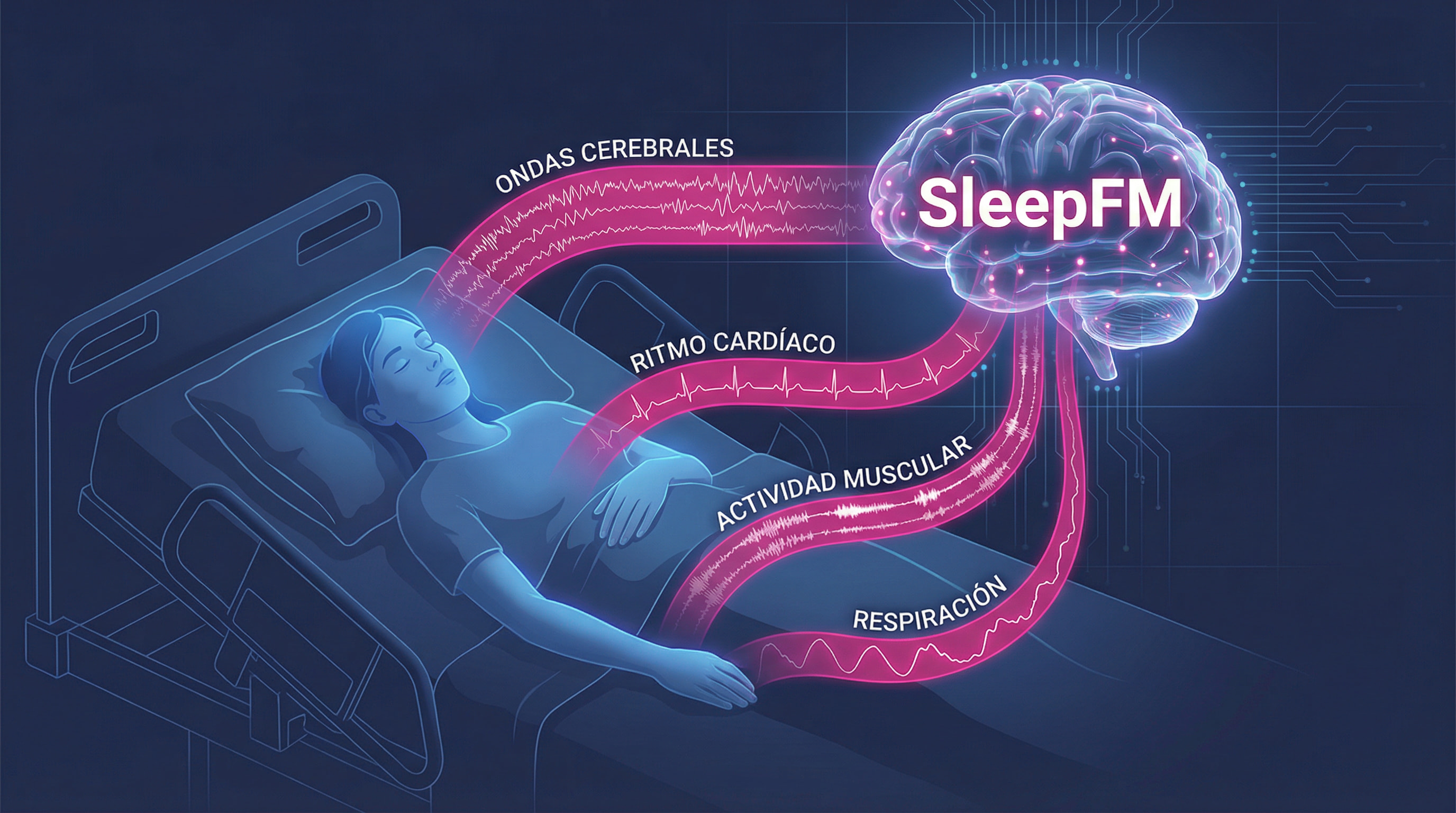
SleepFM: Stanford's AI That Predicts 130 Diseases While You Sleep
An artificial intelligence model analyzes a single night of sleep to predict your risk of dementia, heart attacks, Parkinson's and over 130 diseases.


40 Million People Use ChatGPT Every Day for Health Topics
OpenAI reveals that over 5% of ChatGPT messages are medical queries. Discover how AI is transforming healthcare with surprising data.